

அருள்மிகு நந்தீஸ்வர மகாதேவர் திருக்கோவில்
திருநந்திக்கரை, கல்குளம் தாலுகா
உலக புகழ் பெற்ற குமாரி சிவாலய ஓட்டம் திருக்கோவில்களில் 4 வது திருத்தலம்
Web fb Youtube சிவாலய ஓட்டம் Location Map Wiki


Thirunanthikkara Siva Temple 47km from Thiruvananthapuram route to kanyakumari. Thirunandikkarai a village,17 K.m from Kuzhithurai contains an ancient rock-cut cave-temple having an image of Siva and structural monument dedicated to the same God near them. There are epigraphical evidences to show that the rock-cut cave temple was a Jain Temple up to 9th Century A.D. (955 to 978 A.D). centuries old mural paintings has great value in history of south Indian art. protected by Archaeological Survey of India.
Thirunanthikkarai Temple is situated on the river banks of Nandhiaaru. The temple is built in the traditional Kerala style of temple architecture. Though the temple is the abode of Shiva, a shrine of Lord Vishnu is also present in the temple facing Lord Shiva.
The rock cut cave Temple at Thirunandikkarai is on the northern slope of the hill which lies east-west. It consists of a verandha with supporting pillars, one small champer containing image of linga and a rectangular hall in front of the sanctum sanctorum. The rock-cut cave temple is purely of Jain origin. Travancore Archaeological Department has officially recorded eleven inscriptions found at this place. The earliest of all the inscriptions has belonging to the 9th Century A.D.
The inscription in the rock-cut cave-temple at Thirunandikkarai in Kanyakumari District also mentions the name of the Ay king Varaguna and his activities. The Huzur Office Plate which belongs to the eighth regnal year (876 A.D) of King Varaguna of Ay kingdom adds that a lady member of the Royal family of Ay dynasty named Murugansenthi embraced Jainism in the esteemed presence of one Jain monk most probably Veeranandi Adigal. King Varaguna dedicated her to the holy feet and donates some lands to the temple in this connection.
The inscriptions on the eastern wall of the rock-cut cave-temple which belongs to the 18th year of the Chola King Rajaraja I (1003 A.D.) record the grants to the temple for the celebration of a festival in Aippasi Sathayam, the birthday of the King. It was also required that a perpetual flame be kept before the image in the name of the King. The lamp was to be known as Rajaraja Thirunanda Vilakku.
During the period of Rajaraja Chola the cave-temple appears to have passed into the hands of the Hindus. The rock-cut cave- temple hewn by the Jains was then converted into a Hindu shrine. During this period the foot-prints were removed and an image of Sivalinga might be installed. The Jain origin of the temple is now so completely forgotten and the people believe that this cave – temple was originally a Hindu place of worship.
 நந்தியாற்றின் கரையோரம் மரங்களால் சூழப்பட்ட அழகிய இடத்தில் அமைந்துள்ளது திருநந்திக்கரை குடைவரை கோவில். எட்டாம் நூற்றாண்டை சேர்ந்த பாண்டியர் கால கட்டுமானமாக அறியப்படும் இந்த குடைவரை பதினொன்றாம் நூற்றாண்டின் இராசராசனின் கல்வெட்டுகளையும் தாங்கி நிற்கிறது.
ஆய்வாளர்கள் கருத்து படி அங்கு சில கல்வெட்டுக்கள் இருந்துள்ளன. அவற்றுள் இரண்டை தவிர மற்றதெல்லாம் இப்ப அங்க பார்க்க முடியல.அவற்றுள் ஓர் கல்வெட்டின் தகவல் படி இராசராசன் தற்போதைய குமரி மாவட்டத்தில் உள்ள முட்டம் என்னும் பகுதியை வென்று மும்முடிச்சோழ நல்லூர் என பெயர் மாற்றம் செய்துருக்காப்ள. பொ.யு 1003 ல தனது பிறந்த நாளை திருநந்திக்கரை குடைவரை கோவில் ல தான் கொண்டாடிருக்காப்ள.
 மற்றொரு கல்வெட்டின் தகவல்படி கோவிலில் ஒரு நந்தாவிளக்கு எரிப்பதற்காக ஒன்பது எருமைகள் கொடையளிக்கப்பட்டுளதை தெரிவிக்கிறது. கொடையாளி, சித்தகுட்டி அம்பி ஆகிய ஐந்நூற்றுவ முத்தரையன் என்னும் ஒரு தலைவன். இவன் நாஞ்சிநாட்டு வேய்கோட்டுமலையைச் சேர்ந்தவன். கல்வெட்டில் உள்ள காலக்குறிப்பு, கறைக்கண்டீசுவரத்துக் கலங்கள் அழிக்கப்பட்ட ஆண்டு எனக் கூறுகிறது. ஆனால், இந்த நிகழ்வு எப்போது நிகழ்ந்தது என்பது சரிவர அறியமுடியவில்லை. கறைக்கண்டீசுவரம் என்பது இரணியல் வட்டத்தில் கடிகைப்பட்டினம் என்னும் ஊரின் அருகில் அமைந்த ஒரு சிற்றூர். இதன் எழுத்தமைதியைக் கொண்டு, கல்வெட்டின் காலம் பொ.யு. 12-ஆம் நூற்றாண்டுக்கு முற்பட்டதல்ல என வரையறுத்திருக்காங்க.


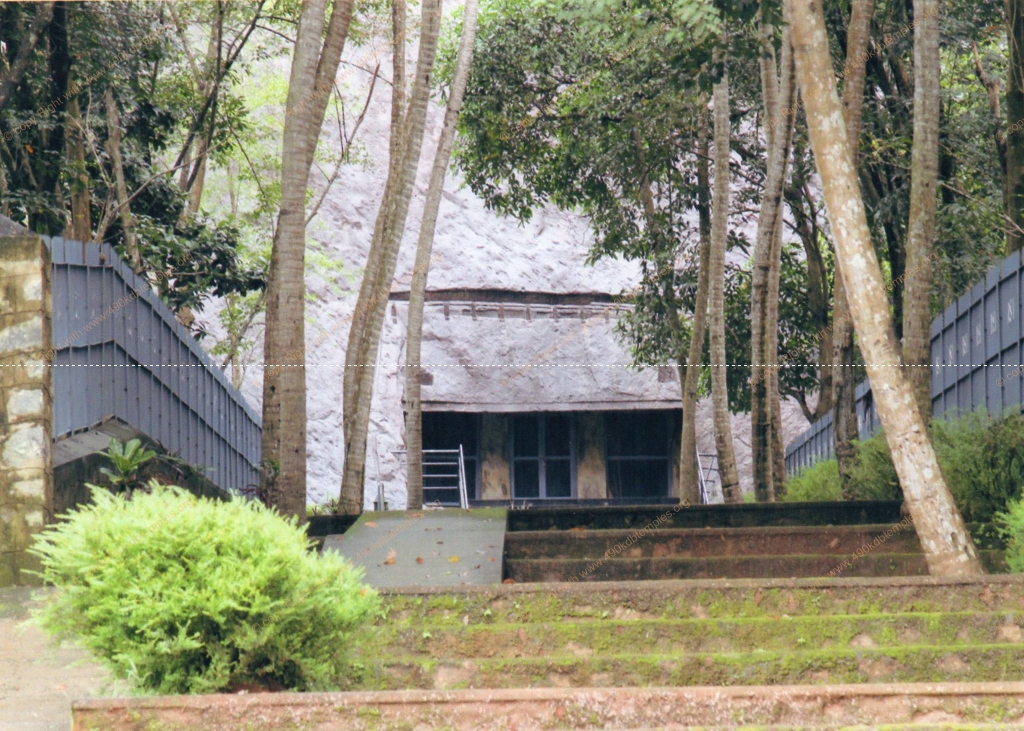 Thirunandikkarai Cave Temple – திருநந்திக்கரை குஹக்கோயில்
( Kudavarai Kovil – குடவறைக்கோயில் )


ROCK CUT CAVE TEMPLE – THIRUNANDIKKARAI
The Cave Temple is one of Kanyakumari’s most ancient temples. Believed to have been established in the 9th century AD, this temple is one of Jain religion’s founding stones. Earlier, there were several sculptures present inside the temple, which attracted devotees and visitors. Although the sculptures do not exist at present, there are stone carvings that narrate many interesting tales pertaining to the Indian culture and religion. One of the stone carvings state that King Raja Raja Chola captured Muttom and renamed it as Mummudi Chola Nalloor.
As per research, King Raja Raja Chola celebrated his birthday at this temple in AD 1003. This temple served as home to an ascetic named Veeranandi, who preached Jainism during the 8th century. Currently, the temple is under the maintenance of the Archaeological Survey of India (ASI)
Tirunandikkare rock cut cave temple is located in the Kalkulam (Taluk) of Kanyakumari district. The rock cut temple is excavated on the southern slope of a hillock, which lies in an east west orientation. This cave is excavated by the Ay ruler Vikramaditya Varaguna in 9 th Century A.D in simple Pandya style. The cave facing south has a cell on the western wall. There is a Siva linga inside the cell.
The importance of the cave lies in the depictions of mural paintings of that period. The paintings include mahapurusha , elephant and palace scenes. These paintings represent the earliest phase of Kerala mural art. This cave has four inscriptions engraved one on each side of the entrance and others on each side of the pillars. They record donations made to the cave temple. The site is a centrally protected monument under the control of Archaeological Survey of India since 1963.
Web
ASI Thrissur Circle
Head Office
MS. SMITHA S KUMAR
The Superintending Archaeologist (incharge)
Archaeological Survey Of India,
Thrissur Circle, Puratattva Bhavan,
FF / 19A – K. S. H. B Flats, Pullazhi PO, Thrissur Circle, Kerala.
Phone: +91 487 2365616.
Fax: +91 487 2360112.
Email : circlethr.asi@gmail.com
E-mail: circlethrissur.asi@gov.in
web:http://www.asithrissurcircle.in/
RTI -PIO : SHRI. RAJAN K. P
Assistant Superintending Archaeological Engineer,
Archaeological Survey of India,
Puratattva Bhavan, FF 19 (A), K.S.H.B Flats,
Block No-3,Pullazhy P.O, Thrissur 680 012.
RTI -APPELLATE : Ms. SMITHA S KUMAR,
Deputy Superintending Archaeologist,
Archaeological Survey of India,
Puratattva Bhavan, FF 19 (A), K.S.H.B Flats,
Block No-3,Pullazhy P.O, Thrissur 680 012.
Trivandrum Subcircle
The Conservation Assistant,
Archaeological Survey Of India, Trivandrum Sub Circle,
Block #1, Flat # 101 & 102,
KSHB Flats, EMS Nagar,
Vanchiyoor PO, Pin: 695035,
Trivandrum, Kerala.Phone:+91 471 2306541/46
CHENNAI CIRCLE
FORT ST. GEORGE, CHENNAI 600009
Shri K. Lourdusamy
Superintending Archaeologist
Phone: 044-25670396-97, 25679332(T-f).
Mrs. Moorteeswari
Deputy Superintending Archaeologist
Phone: 25670397.
C. Paramanthan
Deputy Superintending Archaeological Engineer
Phone: 25670397.


 திருவிதாங்கூர் தேவஸ்வம் ஆவணக் காப்பகம் _ Travancore Devaswom Archives _ തിരുവിതാംങ്കൂർ ക്ഷേത്ര പുരാ രേഖകൾ
You must be logged in to post a comment.